
Views: 0 Author: Site Editor Publish Time: 2025-09-12 Origin: Site


Changing a light fixture might seem intimidating, but it's actually a rewarding DIY project. Not only can you save money, but you'll also gain a sense of accomplishment. However, safety is crucial when working with electricity, so it's important to follow the right steps. In this post, we'll guide you through the process of replacing your light fixture safely and efficiently.
Changing a light fixture can do more than just brighten up a room. It can completely transform a space and make it feel fresh. Whether you're looking to improve the room's style or enhance lighting functionality, replacing an old fixture brings multiple benefits.
A new light fixture can add a touch of elegance or modern flair to any room. For example, upgrading to a sleek pendant light or a stylish chandelier can create a dramatic focal point in your living room. With countless design options, you can match your lighting fixture to the room's decor and elevate the overall look.
Sometimes, older light fixtures don’t provide enough light or the right kind of light for your space. Changing your fixture to a brighter or more versatile one can dramatically improve the functionality of the room. For instance, upgrading to smart lighting options, like the ones offered by Yunlu Lighting, allows for more control over the brightness and ambiance, making your space more comfortable.
Over time, light fixtures can wear out, become faulty, or even break. Old fixtures can be a safety hazard, especially if their wiring is damaged. If you notice flickering, overheating, or the fixture no longer works, it’s time to replace it. This is crucial for avoiding potential electrical hazards.
Energy-efficient lighting options, like LED fixtures, are not just better for the environment—they're also better for your wallet. By switching to LED bulbs, you can reduce your electricity bills. Many new fixtures come equipped with energy-saving features, such as dimming options or built-in motion sensors, helping you further reduce energy consumption.
Replacing a light fixture can improve your home’s style, functionality, and energy use. Whether you're enhancing your home's aesthetic, upgrading to a brighter space, or opting for more efficient lighting, there are plenty of reasons to consider a fixture change.
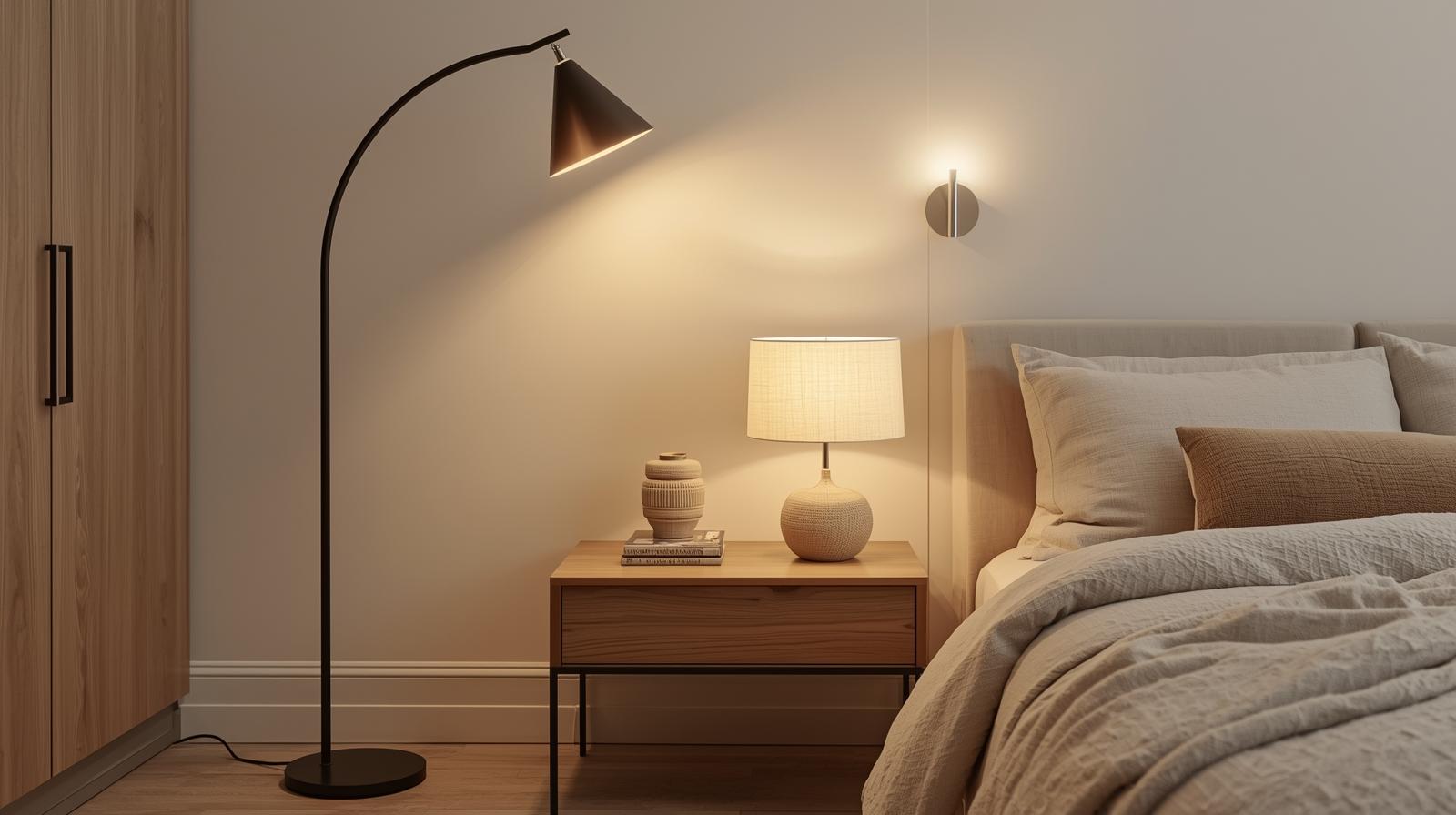
Knowing when to replace a light fixture is key to keeping your home safe and stylish. There are a few signs that indicate it’s time for a new fixture, and timing your installation correctly can make the process much smoother.
Here are some common signs that show you might need to replace your light fixture:
Flickering Lights: If your light keeps flickering or dimming, it could be a wiring issue or a sign the fixture is near the end of its life.
Broken Components: Cracked glass, loose parts, or damaged switches are clear signs that your fixture is worn out.
Outdated Design: If your fixture no longer fits the style of the room, it might be time for a change. A modern pendant light could easily replace an old, dated chandelier.
Poor Illumination: If the light no longer brightens up the room the way it used to, or if it doesn’t give you the right kind of lighting, it’s time for an upgrade. Consider something more efficient, like the LED lighting options Yunlu Lighting offers for better brightness and energy use.
When deciding the best time to change your light fixture, keep these tips in mind:
Time of Day: It’s best to tackle the job during the day when you have plenty of natural light. If you’re replacing a fixture in a dimly lit area, ensure you have enough light to safely work.
Your Experience: If you're a beginner, it might take a little longer than expected. Make sure you have the patience and time to finish the job.
Need for Help: Some fixtures are heavy or hard to manage alone. If you're installing a larger chandelier or pendant light, ask a friend for assistance. It’ll make the process much easier and safer.
Knowing when to replace your fixture and choosing the right time to install it will make the process easier and ensure you end up with a safe, stylish new light.
Changing a light fixture requires the right tools to make sure everything goes smoothly. Here’s a list of the essential tools you’ll need for the job.
Voltage Tester: Safety first! Before touching any wires, use a voltage tester to ensure the power is off.
Screwdrivers (Flathead and Phillips): You'll need both types to unscrew different parts of the fixture and remove any screws.
Cordless Drill (with drill attachments): A drill makes removing screws faster and easier, especially if you're installing a heavy fixture.
Wire Strippers: These are used to strip the insulation off the wires, preparing them for connection.
Needle Nose Pliers: Perfect for bending, twisting, or holding wires in tight spaces.
Ladder: A sturdy ladder is essential to reach high ceilings and work safely when installing your new fixture.
Wire Connectors (Wire Nuts): These secure your electrical connections safely. Make sure to get the right size for your wires.
Electrical Tape (Optional): Electrical tape helps ensure your wire connections stay secure and insulated. It’s especially useful for extra safety.
Having the right tools will make changing a light fixture a lot easier and safer. If you need new fixtures or other lighting options, check out Yunlu Lighting for a variety of styles and solutions that fit your needs.
Changing a light fixture might seem complicated, but by following these simple steps, you'll have a fresh, new light installed in no time. Let’s break it down.
Importance of Safety First
Before you do anything, turn off the power at the breaker box. Always make safety your first priority. A voltage tester is key to confirming there’s no electricity running to the fixture. It's better to double-check than risk a shock.
How to Locate the Right Circuit
Find the right circuit breaker for the light fixture you're working on. Once you turn off the breaker, use a voltage tester to ensure the fixture is no longer live. You can also turn the light on before flipping the breaker, then test the circuit to confirm it’s turned off.
Detaching the Decorative Pieces
Start by removing any light bulbs and glass covers. Most fixtures have a decorative canopy plate that hides the mounting screws, so take it off carefully.
Steps to Safely Unscrew the Fixture
Next, unscrew the mounting screws holding the fixture to the ceiling. Be sure to support the fixture while you remove the screws, especially if it’s heavy. Once the screws are off, lower the fixture from the ceiling.
Properly Identifying the Wires
You’ll typically see three wires: black (hot), white (neutral), and green (ground). Identify them clearly before disconnecting them.
Use of Voltage Tester
Before touching any wires, use the voltage tester again to double-check there’s no power.
Documenting Wire Connections
Take a photo or make a note of how the wires are connected. This will help you reconnect them correctly later.
Unboxing and Reviewing Instructions
Carefully unbox your new light fixture. Read through the instructions and make sure you have all the parts. Many fixtures come with mounting plates, screws, and wire connectors.
Preparing the Wires
Use wire strippers to remove about one inch of insulation from the ends of the wires. Be sure the wires are stripped to the correct length to avoid weak connections.
Wire Connections
Connect the black wire to the black wire, white to white, and green to the grounding wire or screw. Twist the exposed wire ends tightly and cover them with wire nuts.
Safety Considerations
Before securing everything, double-check each connection. Once they’re secure, wrap them with electrical tape for added safety.
Attaching the Fixture to the Ceiling
Follow the fixture’s mounting instructions carefully. Screw the mounting plate into the ceiling box, making sure it’s securely attached.
Fixing the Mounting Bracket
Now, attach the fixture to the bracket. Tighten the screws to make sure the fixture is stable and doesn’t wobble.
Test the New Fixture
After all the connections are made, go back to the breaker box and turn the power on. Test the light by flipping the wall switch. If it lights up, you’re done!
Troubleshooting Tips
If the light doesn’t turn on, double-check the wire connections. Sometimes a loose connection can cause the fixture not to work. Tighten the wires and try again.
Now you're all set! Changing a light fixture is a manageable project if you have the right tools and take your time. If you're looking for a wide range of fixtures, Yunlu Lighting offers top-notch products for every style and need.
While changing a light fixture is a manageable DIY project, there are a few common issues you might face. Here’s how to handle them if they pop up.
One of the most frequent issues when installing a light fixture is loose wire connections. If your fixture doesn’t work after installation, it could be because the wire nuts aren’t tightened properly.
Solution:
Double-check all wire connections. Ensure each wire is securely twisted and the wire nuts are tight. If you find any loose connections, tighten them and use electrical tape for extra security. Always ensure the wires are stripped correctly for a better connection.
If the fixture doesn’t light up after installation, there could be a few reasons. The circuit breaker might not be switched back on, or the wiring could be incorrect.
Solution:
First, make sure the breaker is turned on. If it is, turn the power off again and check the wiring. Refer to the instructions you followed, and ensure all the wires are connected correctly (black to black, white to white, green to ground). If you’re unsure, it’s best to call an electrician to check the wiring.
Sometimes, the fixture won’t align properly with the mounting holes on the ceiling, making it difficult to secure. This can happen, especially with heavier fixtures or fixtures with unique mounting systems.
Solution:
If the fixture doesn’t line up, try adjusting the mounting plate slightly or using a longer mounting screw. Make sure you’re following the mounting instructions carefully. If the fixture is heavy, consider asking for help to hold it in place while you secure it.
By knowing how to troubleshoot these common issues, you'll feel more confident tackling the installation. If you run into problems or need a new fixture, Yunlu Lighting offers a variety of high-quality options to help you finish the job.
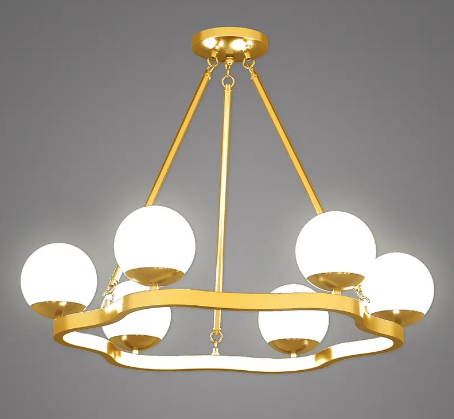
Safety should always come first when working with electricity. Here are a few important safety tips to follow before and during your light fixture replacement.
Always turn off the power at the breaker box before you begin. Double-check with a voltage tester to make sure there’s no electricity running to the fixture. This is a simple step but one of the most important to prevent electrical shock.
Having the right tools makes the job easier and safer. Using incorrect or damaged tools can lead to accidents. Make sure you have a voltage tester, screwdrivers, wire strippers, and a sturdy ladder. If you need new tools or fixtures, check out Yunlu Lighting’s collection of high-quality products designed to make installations safer.
Safety gear, like gloves and goggles, adds extra protection when handling fixtures and working in potentially risky conditions. Gloves can help protect your hands from sharp edges or hot components, while goggles protect your eyes from dust or debris.
If you feel unsure about any part of the process, it’s always safer to call a licensed electrician. Working with electricity can be dangerous if you're unfamiliar with the process. If you're not confident in your skills or the wiring looks complicated, don’t hesitate to get expert help.
By following these safety tips, you’ll ensure that your light fixture replacement goes smoothly and safely.
Changing a light fixture is a simple, cost-effective way to update a room, but it’s important to be cautious and follow the right steps. By using this guide, you’ll gain the confidence to replace your fixtures safely. If you’re ever unsure, don’t hesitate to call a professional to ensure everything is done correctly and safely.
A: Yes, replacing a light fixture can be a simple DIY project if you have the right tools and knowledge. Just be sure to follow safety guidelines, such as turning off the power and using proper equipment.
A: If you are experienced and careful, you can replace a light fixture yourself. However, if you're uncertain about the wiring or safety, it's best to hire an electrician to ensure the job is done safely and correctly.
A: Before changing a light fixture, make sure to turn off the power at the breaker box, gather the necessary tools, and read the manufacturer's instructions for the new fixture. Always prioritize safety and use the correct wiring techniques.
A: If you feel confident in your abilities, changing a light fixture can be a rewarding DIY project. However, if you're unsure or encounter issues like faulty wiring, it's always safer to call a professional.
A: To change a ceiling light fixture, first turn off the power, remove the old fixture, disconnect the wires, prepare the new fixture, connect the wires, and securely mount the new light. Always follow the installation instructions for your specific fixture.
A: Changing a bathroom light fixture follows the same steps as any other fixture. Make sure to use a voltage tester and take extra care when working in damp areas. If unsure, consult a professional to ensure it's done safely.
A: To wire a light fixture, connect the black (hot) wire to the black wire, the white (neutral) wire to the white wire, and the green (ground) wire to the grounding wire or screw. Secure each connection with wire nuts and electrical tape.
A: Installing a light fixture involves turning off the power, removing the old fixture, preparing the new one, connecting the wires, and mounting it securely to the ceiling. Make sure the fixture is aligned with the mounting holes.
A: Changing a ceiling light to LED follows the same steps as any fixture replacement. Make sure to choose an LED fixture that is compatible with your existing wiring, and be sure to install it securely to avoid any issues.
A: Installing a light fixture without existing wiring requires running new wiring from your electrical panel. This is a more complex project and often requires the assistance of a licensed electrician to ensure it's done safely.
A: If there's existing wiring, you can follow the standard installation steps: connect the new fixture's wires to the existing wiring, secure it in place, and make sure everything is safely mounted and tested.
A: If you're comfortable with electrical work and follow safety guidelines, you can change a light fixture yourself. However, if you're unsure or if your home's wiring is outdated, it’s always a good idea to hire an electrician to avoid potential hazards.
